Author: Moonlight Missions

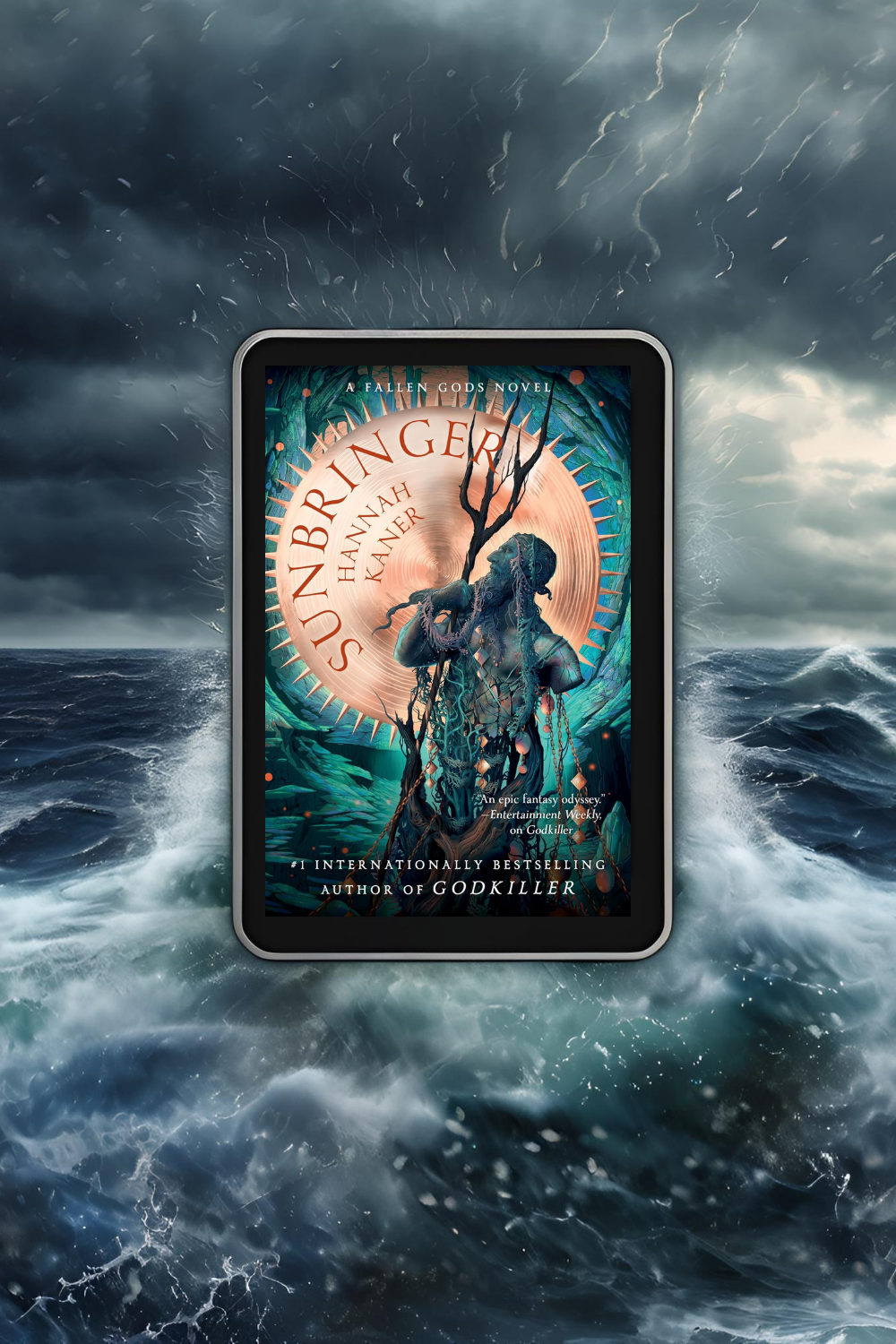
  • Book Review: Sunbringer by Hannah Kaner

    Book Review: Sunbringer by Hannah Kaner

    Fallen Gods #2 | Fantasy | Published 2024

    Read my review of book one, Godkiller, here.

    Overall Rating: ★★★★★ (5/5)

    A slightly unfair but totally deserved five stars. Sunbringer is everything I wanted and more—epic, emotional, and steeped in character development. Despite a touch of “middle-book syndrome,” I loved nearly every minute of it.

    Spoiler Warning

    This review contains spoilers for both Godkiller and Sunbringer. If you haven’t read them yet and prefer to go in blind, consider coming back after finishing the books!

    The Road So Far

    After nearly dying in battle against the fire god Hseth, Kissen is saved by Osidien, who warns her of a war on the horizon. Meanwhile, Inara, Skediceth, and Elogast return to Lesscia. As they each follow their own paths—uncovering godly origins, rejoining the rebellion, and warning the kingdom—their stories eventually converge in the capital, Sakre, where tensions rise and the gods stir once again.

    King Arren: New POV, New Layers

    I have to admit—I loved Arren in this book. He becomes a POV character, which I thought was a brilliant move. I’m really hoping for a redemption arc in book three after spending more time in his head. His final confrontation with Elogast was especially powerful. It becomes clear that Arren deeply loves Elo, and at the heart of his actions is a yearning for the love and family he never had. He was always “his mother’s unloved son,” and all he wants is to be “more than a lonely prince who won a war and no longer had the commander who won it with him.” I’m very curious to see if he survives the trilogy—and whether Elo will ever return his love in the same way.

    Split Party, Strong Arcs: where are our characters?

    Kissen

    I wasn’t the biggest fan of how Kissen was separated from the other for most of the book, but her story arc was strong. She ends up working with the gods—an unusual position for a godkiller—and ultimately delivers the warning of war. I appreciated that her story began in Talicia, her homeland. It gave us insight into what she gave up when she chose another country and another life. I think it’s a feeling a lot of people can connect with, and it added a layer of emotional depth to her journey. That said, I do wish we’d seen more of the trio together.

    Elogast

    Elogast’s chapters were, honestly, a bit slow for me. The battle in Lesscia felt long and drawn out. While I liked seeing Elo in command—especially after hearing how capable he is—the pacing could have been tighter. Still, I found myself admiring him more, especially in his interactions with Lord Yether and Arren. His internal conflict leading up to his decision to kill Arren is one of the strongest emotional threads. In the end, he delivers the killing blow—but to a magical twig-illusion, courtesy of the King. This ends up taking Elo and the King, along with Inara and Skediceth to Arren’s actual whereabouts in Sakre. This is how they end up reuniting with Kissen and Lessa Craier.

    Inara and her mother

    Speaking of Craiers, I suspected early on that Lessa was alive—she’s the only one who can offer Inara the answers she needs. I’m curious how their relationship will develop in the next book. When we meet her, Lessa is leading a successful assault on Sakre, while the King heads for Lesscia. She’s visibly irritated by Kissen and fearful of what Kissen says about Inara. She immediately tries to assert control over her daughter, and I expect that power struggle to continue.

    Inara, meanwhile, is angry, scared, and eager to take part in the fight. When Elo leaves her behind, she takes matters into her own hands. In Lesscia’s archives, she stirs up trouble—but also connects with several gods still alive in the city. I particularly liked her scenes with Scian, the god of the archives, and the rose god Makioron. Makioron’s death was expected but still heartbreaking—he was easy to love. I also found the connection to Yusef fascinating.

    Skediceth

    Skedi’s journey was equally compelling. He learns more about his power and identity, and the bond between him and Inara becomes more flexible, allowing for distance. I did feel for him as Inara formed new alliances with other gods, but I think this shift will help him grow.

    Final thoughts

    Overall, this is a tough review to write. I really loved the book—the characters, the worldbuilding, the emotional arcs—but it did suffer a bit from pacing issues and that classic middle-book slump. Still, the setup for the finale is fantastic. Hseth is reborn, merged with the very metal meant to kill her. Inara must confront her mother and uncover the truth about Lessa. I’m still rooting for Arren’s redemption, and since I’m not fully on board with Kissen and Elo’s romance, I wouldn’t mind seeing Elo move closer to the King and lean fully into his role as a commander.

    Have you read Sunbringer yet? Let me know your thoughts or theories in the comments!
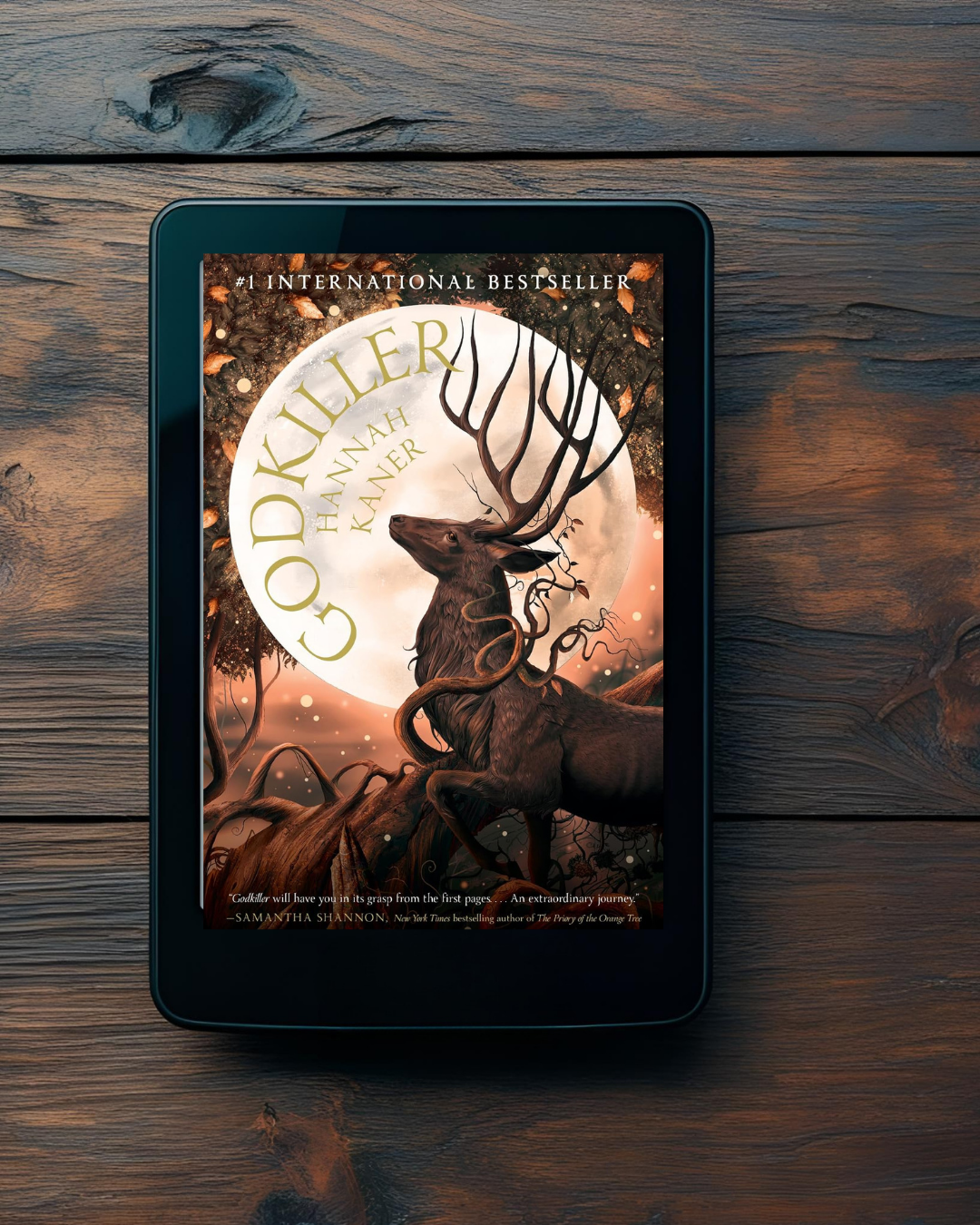
  • Book Review: Godkiller by Hannah Kaner

    Book Review: Godkiller by Hannah Kaner

    Fallen Gods #1 | Published 2023 | Genre: Fantasy

    Please note: this review contains spoilers. If you haven’t read the book yet and want to experience the story unspoiled, now is a good time to stop reading. If spoilers don’t bother you—read on!

    First Impressions

    Godkiller is the first novel in the Fallen Gods trilogy and the debut of Hannah Kaner, published in 2023 by HarperCollins. The shortest version of my review is: I loved the book! The setting was a huge plus—it’s often compared to The Witcher, since our main character hunts and kills monsters… of a sort. But that is mostly where the comparison ends.

    The World

    Kaner creates a vivid world where gods once drew power from offerings and prayers, but are now outlawed. After a brutal war between old and new gods—one that claimed much of the royal family—the new king, Arren, turned on them all. Worship was banned. Gods were hunted.

    We meet Kissen, a fierce godkiller from Talicia, who lost her family to a god of fire named Hseth. Her father worshipped a sea god, and their devotion marked them for sacrifice. Since then, Kissen has lived for vengeance.

    After a job, Kissen meets Inara, a noble girl bound to a god of white lies—Skediceth. Though Kissen wants no part in it, she agrees to help after Inara’s home is destroyed. Together, they travel to the war-torn city of Blenraden, seeking answers.

    The Journey

    Their path crosses with Elogast, a former knight commander known as the King’s Lion. He fought in the war, but was unable to accept the prohibition of gods and distanced himself from the King. Together, this unlikely trio (plus one small god) makes the dangerous pilgrimage to Blenraden. There, the mysteries deepen.

    Elogast came to the city believeing he would help his King and is prepared to sacrifice himself to save King Arren, only to discover a darker truth: Arren plans to offer him up in ritual sacrifice—because he’s the last thing the king still loves. Before he can die, Kissen and Inara intervene. Kissen fights Hseth, giving the others time to escape but apparently falling to her death. Heartbroken, Elo, Inara and Skedi set out to join the rebellion and expose the king’s betrayal.

    What I Loved

    What stood out the most to me were the characters. All four are deeply human (yes, even the god), and I found myself caring for each of them. Kissen’s rough exterior hides a heart I wasn’t expecting. Inara and Skedi’s bond is a complex and fascinating one that I’m eager to explore further. Elogast took me the longest to warm to, but his quiet strength and loyalty grew on me.

    The emotional moments were powerful. One scene that stuck with me was the discovery of the forgotten gods in Blenraden, their shrine ruined and no one worshiping them. The god of broken sandals, in particular, was heartbreaking: reduced to a shell of what he was, simply muttering his last remembered phrases.

    Kaner’s writing also deserves praise. It’s packed with memorable quotes, character motivations in a few tight lines, and vivid descriptions—especially of the gods and their unsettling presence in this world.

    Representation and Inclusivity

    One of the most refreshing things about this book is how queer-normative and inclusive the world feels. Characters come from diverse backgrounds and identities, and none of it is treated like a plot device or checklist. It’s just there, as it should be.

    Final Thoughts

    Godkiller is a thrilling, fast-paced fantasy debut with memorable characters, a fascinating world, and writing that resonates. It’s an easy 5 out of 5 stars for me. It delivers everything it promises—and I, for one, can’t wait for more.

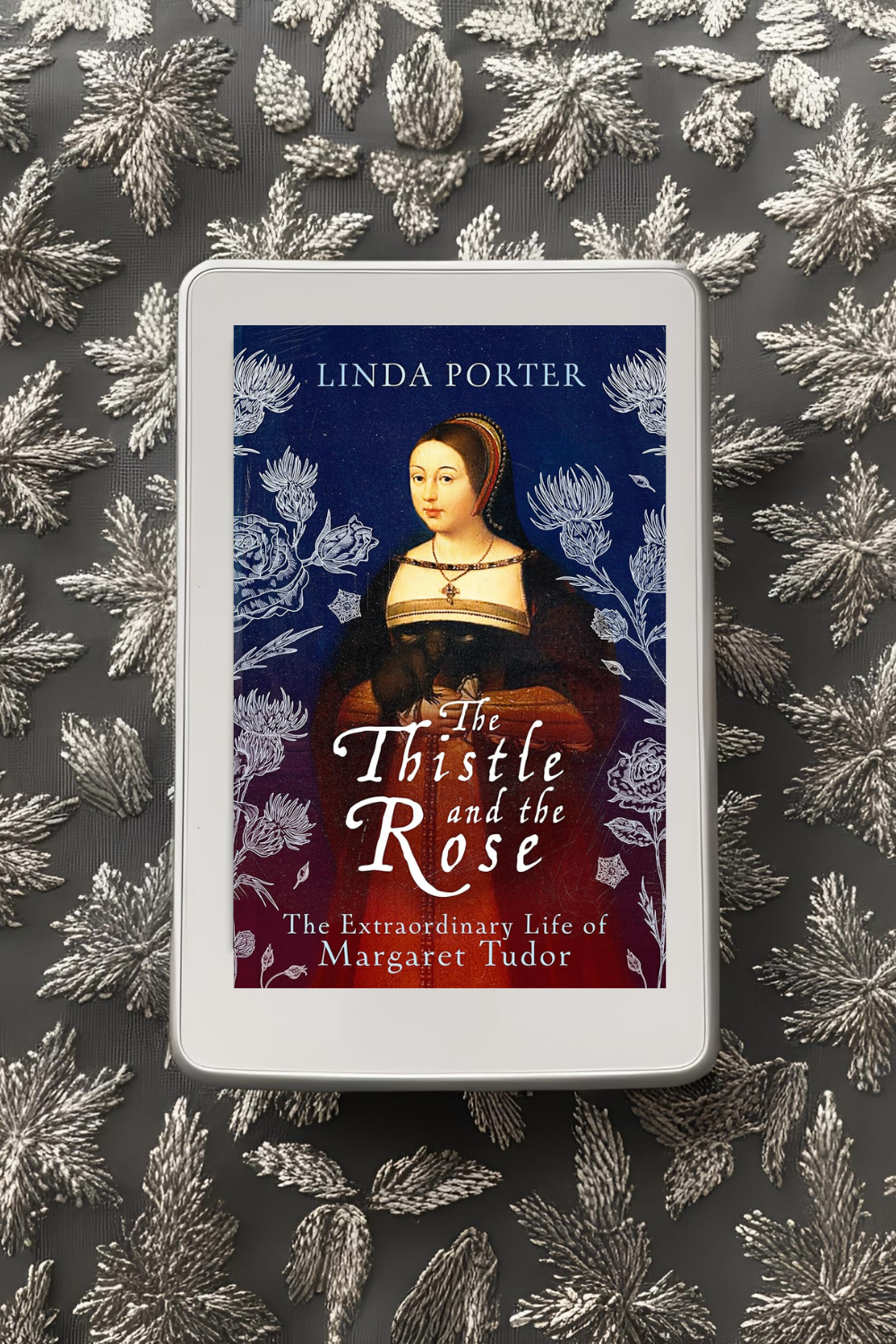
  • Book Review: The Thistle and the Rose: Uncovering the Extraordinary Life of Margaret Tudor

    Book Review: The Thistle and the Rose: Uncovering the Extraordinary Life of Margaret Tudor

    Rating: ★★★½☆

    Earlier this year, I found myself captivated by the book Sisters of Richard III. Eager to delve further into the period following the Wars of the Roses, I picked up The Thistle and the Rose: The Extraordinary Life of Margaret Tudor by Linda Porter. This biography promised a fresh perspective on Margaret Tudor—a figure often overshadowed by her more famous Tudor relatives—and I was keen to learn more about her story. There was a lot I liked, and a few things that didn’t quite work for me. So, let’s get into it.

    Podcast Recommendation (Unsponsored!)

    Before I proceed, I must give a shoutout to a fantastic episode of the Not Just the Tudors podcast. It features Linda Porter herself discussing The Thistle and the Rose. This History Hit production (available on Spotify) offered valuable context and helped me better understand the author’s perspective, sometimes even more so than the book itself. No one’s paying me to say that, I just genuinely enjoy the podcast.

    Was Margaret Tudor Truly “Forgotten”?

    Porter’s biography begins by grounding Margaret within the Tudor dynasty, providing essential background on her parents and the early years of the new regime, with the concern on establishing the new Tudor dynasty being an important concern. While the synopsis suggests Margaret is the “forgotten” Tudor, I would argue that her sister Mary, and even their brother Arthur, have arguably faded more from popular historical memory. Nevertheless, I approached this book with limited prior knowledge of Margaret, and I thoroughly enjoyed the journey of discovery.

    One of the book’s most compelling sections details Margaret’s marriage to James IV of Scotland and her subsequent journey north to become Queen. Her royal progress was elaborate and meticulously documented. Your head might start hurting from the amount of nobility accompanying and greeting Margaret, but it’s well worth it to read through.

    Margaret’s life between 1503 and 1513, her time as queen consort, was so interesting. That may be partly because I have a soft spot for James IV. Porter’s vivid descriptions of James’s effort to unite the nobles was fascinating and really made me appreciate James a lot. The lead-up to the Battle of Flodden was genuinely gripping. In fact, her depiction of the battle itself might be my favorite section. Also, while the English victory is often attributed to Katharine of Aragon (as Henry VIII was campaigning in France), I was disappointed to find that the Earl of Surrey, a character I particularly dislike, was actually the commander of the English forces. I think I’ll always feel like he’s undeserving of beating someone like James IV, so I’ll also pretend it was Queen Katharine that got him, thank you very much. 

    Nevertheless, the Battle of Flodden reads almost like an action scene or a compelling Game of Thrones plot point, and it was amazing. If you know other non-fiction books with battle descriptions this good, please do let me know in the comments below.

    Areas Where the Narrative Felt Less Compelling

    Where I struggled a bit was in how sympathetically Margaret is portrayed throughout. I recognize the historical context where female historians often strive to reclaim and defend historical women from centuries of dismissive male interpretations. However, at times, I felt Porter leaned too heavily in the opposite direction, offering justifications or glossing over some of Margaret’s more questionable decisions. I recognize that Margaret was in a difficult position following James IV’s death, and I can sort of understand justifying her second marriage. However, the subsequent events often felt like a series of struggles and decisions driven by fear and financial necessity – a very human and relatable experience, oddly enough. So it’s okay to admit that she made mistakes—what powerful figure didn’t?

    The podcast helped clarify the author’s intentions, and I came away with a better understanding of where she was coming from. But on the page, I sometimes found myself wishing for a more balanced analysis.

    Legacy and Lasting Impact

    One crucial takeaway from this biography is the undeniable significance of Margaret Tudor’s legacy, a legacy often underestimated. Despite all of Henry VIII’s political machinations, it was Margaret’s lineage that ultimately inherited the English throne. Elizabeth I, the Virgin Queen, never married nor had children. Consequently, the crown passed to James VI of Scotland—Margaret’s great-grandson—who became James I of England, establishing the Stuart dynasty. Even the current British royal family traces its ancestry back to her. There’s a certain poetic justice to that… or perhaps I’m just being a little petty. Either way, I find it undeniably satisfying.

    Final Verdict

    Overall, The Thistle and the Rose was a solid 3.5-star read for me. It is meticulously researched, accessible to a general audience, and provides a detailed and engaging portrait of a woman who undoubtedly deserves greater recognition. While I didn’t always align with the author’s interpretations, the book successfully ignited my interest in both Tudor and Scottish history. I’m now eager to explore further readings on James IV and Margaret, and who knows—perhaps that will even lead to a revised perspective on this biography in the future.

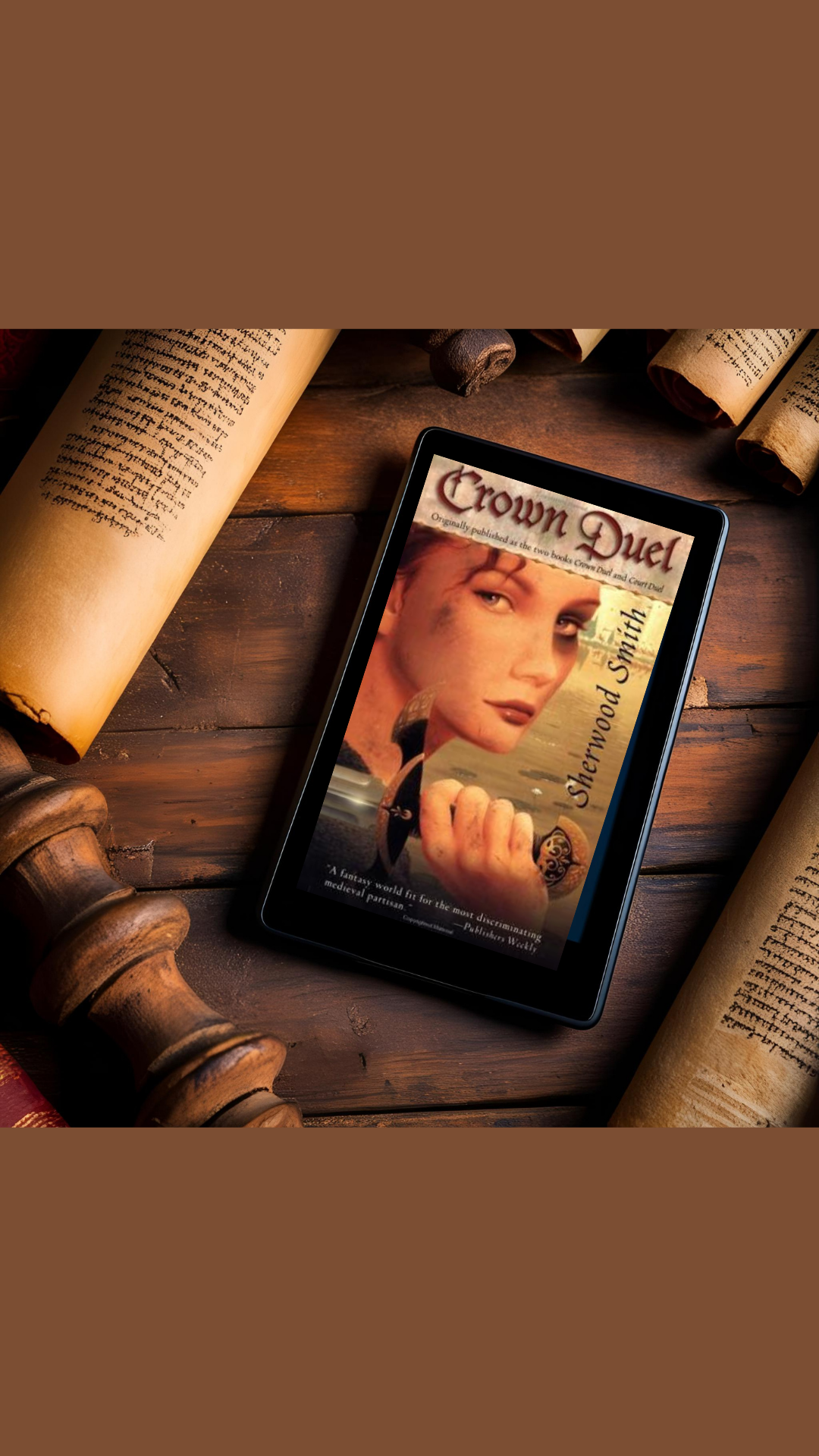
  • Book Review: Crown Duel by Sherwood Smith

    Book Review: Crown Duel by Sherwood Smith

    Crown & Court #1-2

    Sherwood Smith’s Crown Duel, originally published as two separate books, Crown Duel (1997) and Court Duel (1998), is a young adult fantasy set in the fictional land of Remalna. This duology follows the journey of Countess Meliara Astiar of Tlanth, affectionately known as Mel, as she navigates rebellion, political machinations, and the complexities of unexpected love.

    Please be aware that this review contains spoilers. Proceed with caution if you wish to experience the story firsthand.

    Part One: Rebellion and Revelation

    The story starts with Mel and her brother Bran’s rebellion against the King. Their defiance proves surprisingly resilient until Mel’s capture at the hands of the enigmatic Vidanric Renselaeus, Marquis of Shevraeth – who most readers will quickly identify as the primary love interest.

    The first book chronicles Mel’s daring escape and subsequent evasion, only to be eventually caught by the Marquis’s forces and brought to his family’s estate. There he reveals himself and his family to be secret allies and even though Meliara is not happy about it, she and her brother Branaric now confront the King with the Renselaeus. The confrontation leads to the King being killed, and while the Marquise is poised to take the throne, Mel escapes back to her beloved mountains and the sanctuary of her family’s home, reluctant to be drawn further into courtly affairs.

    My experience with the first part was somewhat mixed. While the narrative undeniably kept me engaged, I found myself wishing Mel was more active, as she spends a significant portion of the book unconscious or limited in her actions due to injuries. However, I must commend Smith’s realistic portrayal of Mel’s injuries and their lasting impact – a refreshing change from narratives that often gloss over such consequences. Her initial ignorance of the wider political landscape was also convincingly portrayed. And, surprisingly, even though she is out for most of the book, I found her engaging and holding quite a lot of agency.

    On the other hand, I found her brother, Bran, consistently irritating and simplistic, a trait I suspect was intentional. My frustration reached its peak at the end of the first book, and I wholeheartedly cheered Mel’s flight from both Bran and the Marquis, fueled by their dismissive treatment of her. Despite her naivety in certain areas, Mel had demonstrated bravery and a willingness to learn, qualities that seemed overlooked by those around her.

    Part Two: Courtly Intrigue and Budding Romance

    The second book picks up some time later, with Mel having returned to her neglected castle and using her newfound wealth from the King’s downfall to revitalize it. Her brother, now residing at the royal court, pays her a visit, bringing unexpected guests: Lady Nimiar and the Marquise. In a display of his characteristic lack of consideration, Bran announces his impending marriage to Lady Nimiar without notifying Mel of this before. Though initially resistant, Mel is persuaded by Lady Nimiar to accompany them. Lady Nimiar also offers to guide her through the intricacies of courtly life. From there, Mel navigates the intrigues and gossip of court, along with the plot from the old King’s family to overpower the Marquise and take the throne back.

    Unfortunately, my opinion of Bran did not improve in the slightest. His obliviousness even extends to forgetting Mel’s birthday, a slight that I felt alongside our protagonist. I found him less honest and charming than the other characters seemed to perceive him and more often brash, uncaring, and simply annoying.

    However, the overarching plot of the second book proved to be far more dynamic and engaging. My appreciation for Mel deepened as she adapted to court life with surprising speed, despite her sheltered and unconventional upbringing. Her headstrong nature, while present, rarely felt grating. While perhaps not entirely realistic, her rapid integration into the complexities of court was a delightful aspect of the narrative.

    The Marquis emerges as an intriguing character. While his role as the primary love interest is evident from the outset, I did wish for more direct interaction between him and Mel. Their romance largely unfolds through letters Mel receives from a secret admirer. I don’t think the reader is supposed to be as ignorant of Mel’s secret admirer as she is, which made the eventual reveal somewhat anticlimactic. Yet, upon reflection, the understated “of course it was you” quality of their connection has a certain charm. I also appreciated the Marquis’s quiet competence and unwavering commitment to doing what is right.

    I did not particularly like the fact that most of the court uses a fan language to communicate. The premise was that it got popular because everyone but the King knew it, but it genuinely confused me that people kept using it to convey secret messages even after the King was gone and everyone, presumably, knew what everyone else was saying, eliminating the secrecy of it.

    Despite these minor reservations, Crown Duel proved to be an incredibly enjoyable read. Sherwood Smith’s engaging writing style made both books fly by in just a few days of leisurely reading. It’s a delightful and relaxing escape, making it an easy recommendation for anyone seeking a light and (relatively) short fantasy adventure.

    Overall, I’d give this duology a solid 4/5 stars.

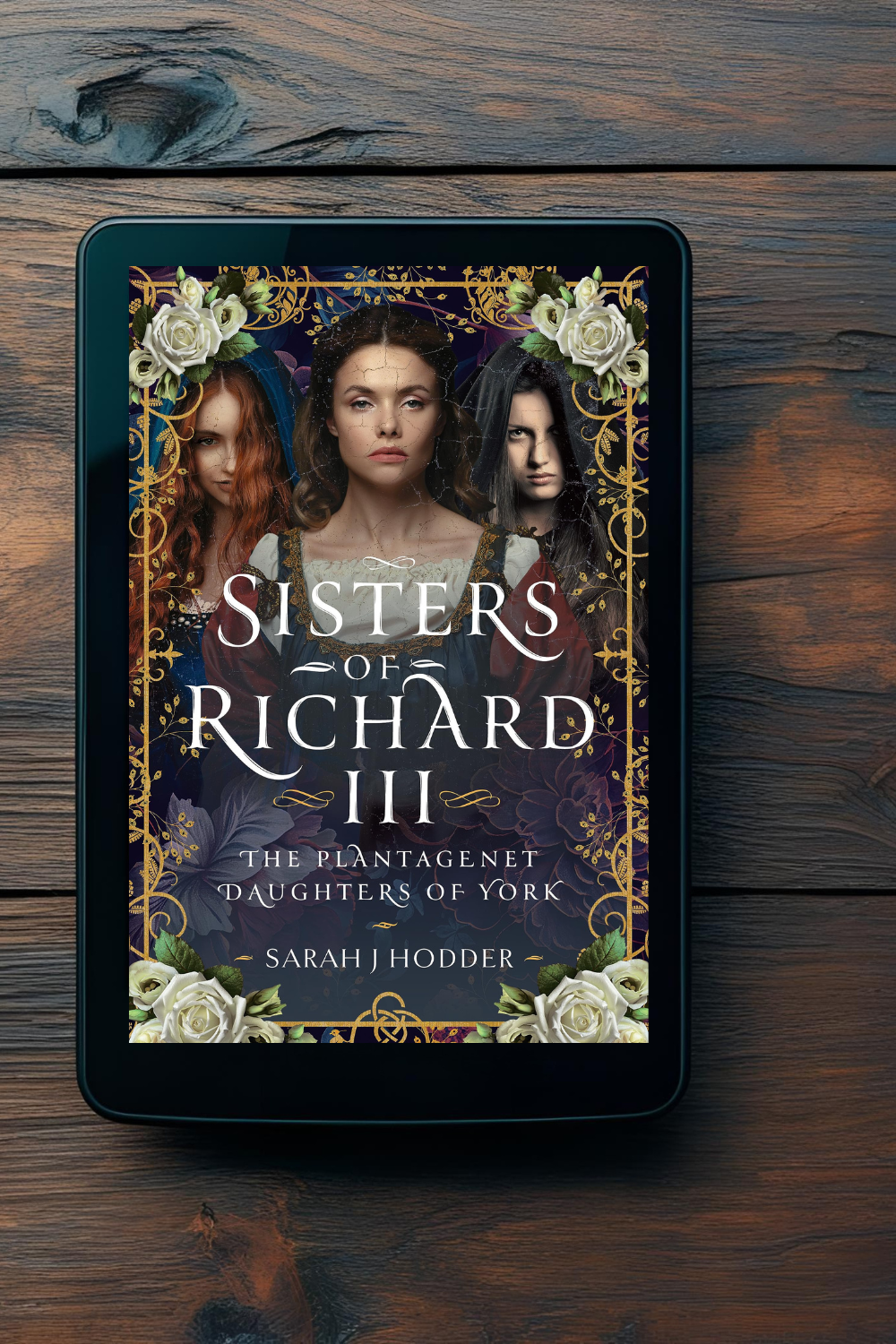
  • Book Review: Sisters of Richard III by Sarah J. Hodder

    Book Review: Sisters of Richard III by Sarah J. Hodder

    Overall Rating: ★★★★☆ (4.5/5 stars)

    A fascinating and engaging look into the overlooked lives of three Plantagenet women—Anne, Elizabeth, and Margaret of York. The author offers a well-researched and accessible account of their roles during the Wars of the Roses, shedding light on the lives of women whose stories have long remained in the background.

    My Thoughts

    I came across Sisters of Richard III almost by accident, intrigued by the title and wondering how many sources there could possibly be on these lesser-known medieval women. Having recently developed an interest in English and British monarchs, I decided to give it a go. I’m not a historian—just a curious reader with a background in social sciences—so I read this for entertainment rather than academic insight.

    That said, I really enjoyed the book. It drew me in with an excellent overview of the period, stretching from Edward II to Henry VI, and offering just enough background to make sense of the Wars of the Roses without becoming overwhelming. I’d only been vaguely familiar with the era before, but Hodder’s focus on the family of the Duke of York—and especially the sisters of Richard III and Edward IV—made this period come alive in a new way.

    Anne of York

    Anne, the eldest daughter, fascinated me. Married to the Duke of Exeter, a staunch Lancastrian, her life was clearly difficult—yet she somehow managed to divorce him, which was astonishing for the time. She held onto her title of Duchess of Exeter and remarried Thomas St. Leger, seemingly finding happiness before her untimely death in 1476.

    One detail I found truly moving was that her DNA, passed through an unbroken female line of descendants, helped identify the remains of Richard III in 2013—more than 500 years after her death. That connection across centuries really stuck with me.

    Elizabeth of York

    Elizabeth, the second surviving daughter, married John de la Pole, Duke of Suffolk, and had eleven children. There’s very little recorded about her, but considering how important her children became in the Tudor period, I like to think she was a strong family supporter behind the scenes—even if that’s just speculation on my part.

    Margaret of York

    Margaret, the youngest, remained unmarried until her brother Edward became king, making her a valuable diplomatic match. She married Charles the Bold, Duke of Burgundy, and went on to become a powerful and influential figure there. Even after Charles’s death, she stayed in Burgundy, supported her stepdaughter Mary, and remained deeply involved in English politics. She supported Perkin Warbeck’s claim to the English throne, even though she might have known he was just an imposter, but was possibly hoping to restore Plantagenet power by any means available to her.

    Margaret’s love of books and her impressive personal library made her especially relatable to me. I loved that detail—women like her rarely get credit for intellectual influence, and Hodder gives her due.

    Final Thoughts

    This book is definitely sympathetic to the Yorkist family, and the author leans into that affection at times. I didn’t mind—I leaned right along with her. But if you’re looking for a highly neutral take, it’s something to be aware of.

    While the scarcity of records about women from this period can be frustrating, Hodder makes the most of what exists. Her narrative is engaging, thoughtful, and well-paced. I came away with a new appreciation for the complexity of the women in this family, who often played significant roles behind the scenes—even if their contributions haven’t always been well-documented.

    If you’re a fan of Plantagenet or Tudor history and want a fresh perspective, especially one centered on the women often left out of the main narrative, this book is absolutely worth your time.